


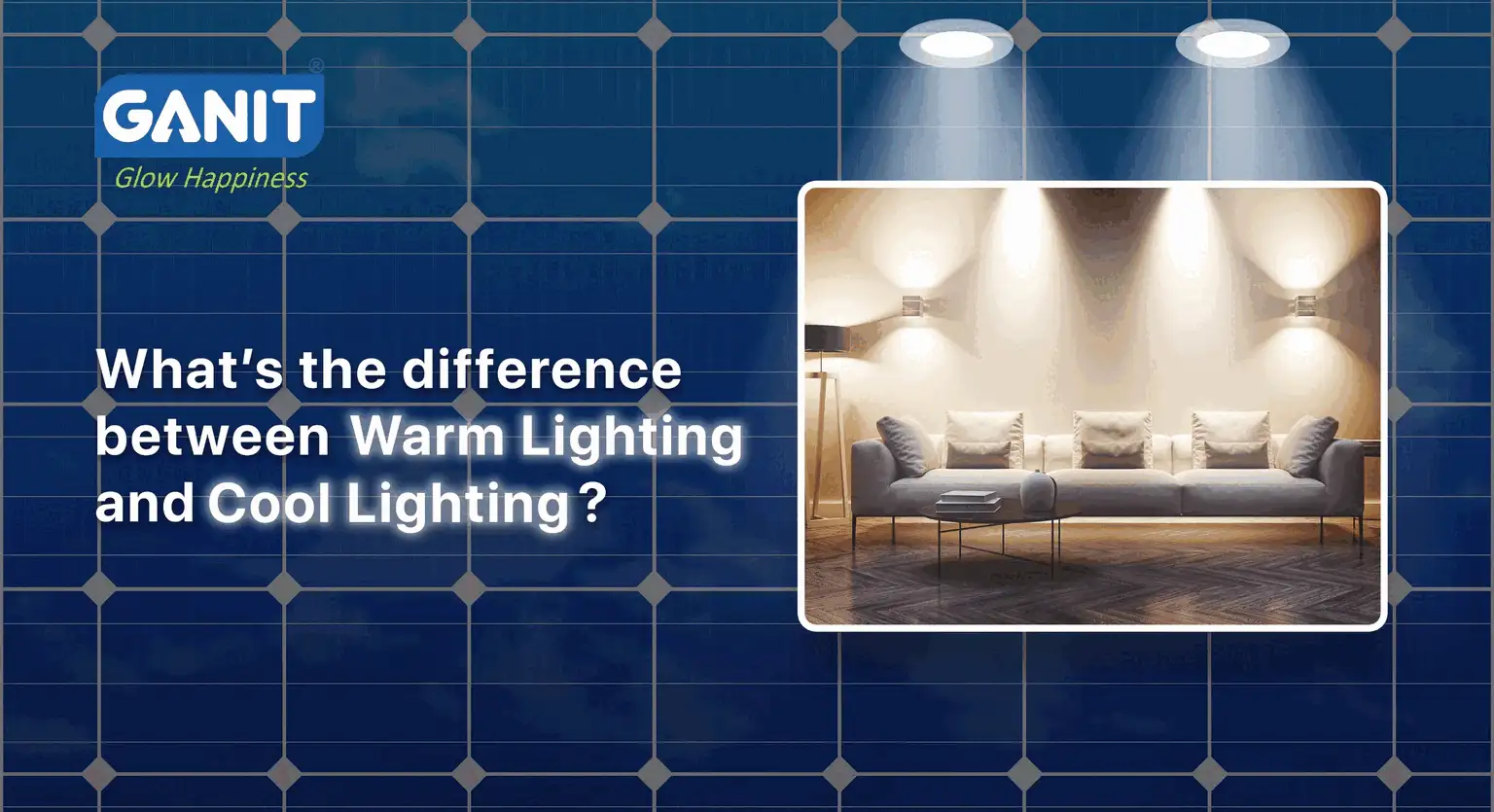
Why Lighting Temperature Matters?
Have you ever walked into a room and instantly felt calm or strangely alert, without knowing why? That feeling might be coming from the lighting. The colour temperature of light plays a big role in how a space looks and how we feel inside it. Warm and cool lighting aren’t just aesthetic choices. They directly impact mood, focus, and even productivity. From cosy bedrooms to brightly lit kitchens, the lighting you choose affects everything from comfort to clarity. Understanding the difference between warm and cool lighting helps you design spaces that not only look good but also feel right.Understanding Warm Lighting
Warm lighting gives off a soft, golden glow, think of the light you see at sunset or the flicker of a candle. On the colour temperature scale, warm light typically ranges from 2000 K to 3000 K. It feels gentle on the eyes and creates a relaxed, homely vibe. You’ll often find warm lighting in:- Bedrooms
- Living rooms
- Restaurants and lounges
- Reading corners or relaxation areas
Understanding Cool Lighting
Cool lighting has a crisp, bluish-white tone that feels bright and energising. It usually ranges between 4000K to 6500K on the colour temperature scale. This type of light is similar to daylight and is designed to keep your mind alert and focused. You’ll commonly find cool lighting in:- Kitchens
- Bathrooms
- Workspaces and study areas
- Retail stores and hospitals
Warm vs Cool Lighting: Key Differences at a Glance
Now that we understand how both types of lighting work on their own, let’s look at how warm and cool lighting compare side by side. Each serves a unique purpose, and choosing the right one depends on the mood you want to create and the functionality of the space. Warm lighting creates a cosy, inviting atmosphere that’s perfect for relaxing. It softens the space and is ideal for winding down at home. Cool lighting, on the other hand, feels more active and sharp. It brightens everything up and keeps you alert, which is why it’s often used in kitchens, offices, or hospitals. To make it even simpler, here’s a quick comparison:Warm vs Cool Lighting: Quick Comparison Table
| Feature | Warm Lighting | Cool Lighting |
| Colour Temperature | 2000K – 3000K | 4000K – 6500K |
| Tone | Yellowish, soft, golden | Bluish-white, crisp |
| Best for | Living rooms, bedrooms, and restaurants | Kitchens, bathrooms, and offices |
| Mood/Effect | Calming, cosy, intimate | Focused, alert, energetic |
| Visual Comfort | Softer on the eyes at night | Clearer visibility for tasks |
| Common Use | Relaxation and ambient lighting | Task lighting and productivity spaces |
How to Choose the Right Lighting for Your Space?
Choosing the right lighting isn’t just about brightness; it’s about creating the right feeling in every corner of your home or workspace. The decision between warm and cool lighting can completely transform how a room looks and how people feel in it. Here’s a simple way to approach it:-
Start with the Purpose of the Room
-
Consider the Natural Light Available
-
Think About Time of Use
-
Use a Mix, If Needed
How Smart LED Lighting Helps You Switch Between Both?
One of the best things about modern lighting is that you no longer have to choose between warm and cool light permanently. Thanks to smart LED lighting, you can easily switch between both based on the time of day, mood, or activity, all with just a tap on your phone or a voice command. Smart LEDs offer features like:- Tunable white technology — lets you adjust the colour temperature from a warm yellow to a bright cool white
- Automated schedules — your lights can change throughout the day automatically, mimicking natural daylight
- Mood presets — you can create different lighting scenes for reading, relaxing, working, or hosting guests