

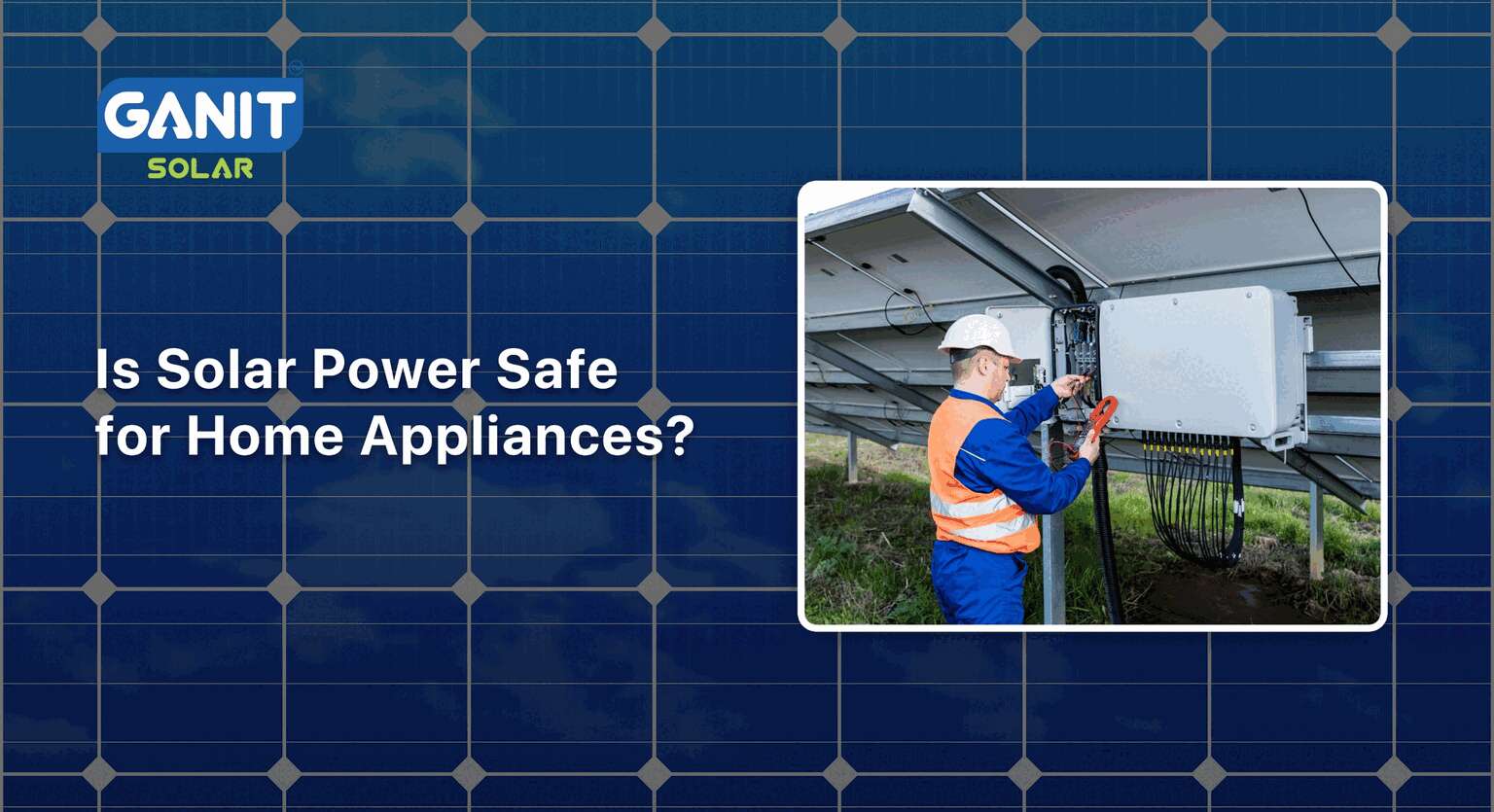
Solar energy is becoming a popular alternative to conventional electricity, as more homeowners turn to renewable solutions to reduce their electricity bills and lower their carbon footprint. One common concern remains: Is solar power safe for home appliances?
This blog explores solar power safety for home appliances, helping you understand how solar systems interact with everyday electrical devices and whether they pose any risks. From kitchen gadgets to air conditioners and televisions, we’ll examine how solar power can affect performance and durability.
If you’re considering switching to solar but are unsure about the impact on your household appliances, this guide will clear up any confusion and offer practical advice to ensure safe and reliable usage.
How Solar Power Works in Homes?
Understanding how a home solar power system operates is essential to evaluating solar power safety for home appliances. A well-designed solar setup not only provides clean energy but also ensures a stable and safe supply of electricity to your household devices.
Components of a Residential Solar System
A residential solar system is made up of several essential components that work together to generate and deliver clean, usable energy. Understanding how each part functions is key to ensuring solar power safety for home appliances.
1. Solar Panels
Solar panels are the heart of any solar power system. They are usually installed on rooftops or open areas with direct access to sunlight. These panels contain photovoltaic (PV) cells, which convert sunlight into direct current (DC) electricity.
2. Inverter
The electricity generated by solar panels is in DC form, which is not compatible with standard home appliances that use alternating current (AC). The inverter converts DC electricity into AC, making it usable within the home.
3. Mounting Structure
The mounting structure provides a secure base for the solar panels, holding them in place at the correct angle and orientation to maximise sunlight exposure. A well-installed structure not only improves energy generation but also prevents physical damage to the panels, which could otherwise lead to electrical faults.
4. Charge Controller
The charge controller regulates the flow of electricity to and from the battery. It ensures that the batteries are not overcharged or deeply discharged, both of which can lead to reduced battery life or safety hazards. A good charge controller helps maintain safe voltage levels, contributing to the overall solar power safety of home appliances.
5. Monitoring System
A monitoring system tracks the performance of your solar setup in real-time. It alerts you to faults or drops in efficiency, helping you act before issues affect your appliances. Consistent monitoring helps maintain a safe and reliable energy supply.
Is Solar Power Safe for Home Appliances?
Yes, solar power is safe for home appliances as long as the system is properly designed, installed, and maintained. When handled correctly, solar energy can be even more stable and reliable than conventional grid electricity in many situations. That said, it’s important to understand how and why this is the case.
Modern solar systems are equipped with inverters, charge controllers, and monitoring tools that help regulate the voltage and flow of electricity. These features are essential for solar power safety for home appliances, as they prevent issues like voltage fluctuations, short circuits, or sudden surges that can damage electronics. When paired with a battery storage system, solar power offers even greater stability by ensuring that appliances receive a steady supply of electricity even during outages or cloudy days.
Also Read:- What are Half-Cut Solar Panels?
Solar Myths About Appliance Safety
As solar energy gains popularity, so do the myths surrounding its use, especially when it comes to the safety of home appliances. Let’s clear up some of the most common misconceptions about solar power safety for home appliances.
1. Myth: Solar power damages home appliances
Fact: A properly installed solar system delivers clean, stable electricity. With the right inverter and safety controls in place, solar power is just as safe—if not safer—than grid electricity for appliances.
2. Myth: Solar energy can’t power heavy-duty appliances
Fact: Solar systems can be designed to handle all types of loads, including air conditioners, washing machines, and water heaters. Proper system sizing ensures your appliances run efficiently and safely.
3. Myth: Power fluctuations are worse with solar
Fact: In reality, solar power often produces more consistent voltage than the grid, especially when paired with battery backup. This improves overall solar power safety for home appliances and protects sensitive electronics.
4. Myth: Appliances stop working on cloudy days
Fact: Solar systems still generate power on cloudy days, though at reduced efficiency. And with batteries or a grid-tied system, your appliances will continue running without interruption.
5. Myth: Solar systems require constant manual monitoring
Fact: Modern systems include automated monitoring and protection features that keep everything running smoothly. Alerts and diagnostics are often available via smartphone apps.
Final Thoughts
Switching to solar energy not only helps reduce your electricity bills and carbon footprint, it also gives you greater control over your power supply. When designed and installed correctly, it is a smart and safe investment for your home and your appliances.
With a trusted name like Ganit Star Engineering, you can be confident that your solar system will be built with high-quality components and expert guidance. Their commitment to performance and safety ensures maximum efficiency and complete solar power safety for home appliances.
As solar technology continues to evolve, choosing the right partner is key. Ganit Star Engineering delivers reliable solar solutions that are safe, long-lasting, and perfectly suited to modern homes. If appliance safety is a concern, let the experts help you make the transition to solar with total peace of mind.
Frequently Asked Questions
1. Can solar power damage my home appliances
No, solar power will not damage your home appliances if the system is properly installed and maintained. A good-quality inverter and correct system sizing ensure voltage remains stable, which is crucial for the safe operation of appliances.
2. Can I run heavy appliances like an air conditioner or washing machine on solar
Yes, you can run heavy appliances on solar power. The key is to design your solar system based on your home’s energy consumption. With the right setup, large appliances will operate safely and efficiently.
3. How do I ensure my solar system won’t harm my electronics
Use high-quality, certified components and have your system installed by trained professionals. Regular maintenance and monitoring will also help you detect and prevent any issues early.
4. How do I choose a reliable solar system for my home
Ganit Star Engineering offers trusted, high-quality solar solutions that ensure solar power safety for home appliances. They handle everything from design to support, making your switch to solar safe and easy.