


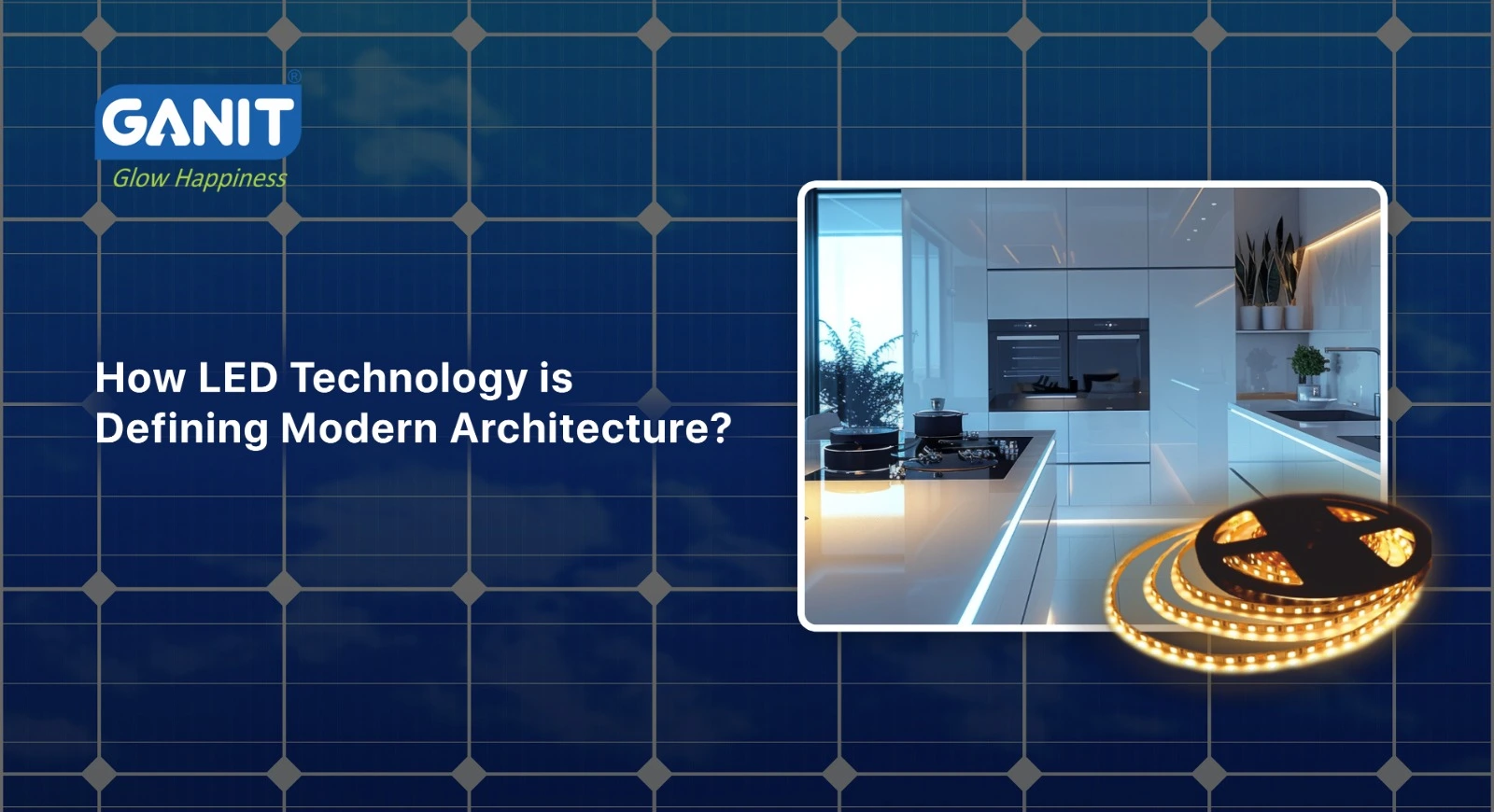
Walk into any modern building today, and you will instantly notice how light shapes the mood, highlights details, and brings the space to life. That is the power of LED technology in modern architecture. It is no longer just about lighting up a room; it is about creating an experience.
LEDs give architects and designers the freedom to experiment with brightness, colour, and texture while keeping energy use low. Whether it is the soft glow in a cosy café, the dynamic lights on a city façade, or the efficient illumination in workspaces, LED lighting blends beauty with purpose.
As sustainability becomes central to design, LEDs are proving to be the smarter choice for the future. Ganit Star Engineering combines innovation and efficiency, offering advanced LED solutions that help build brighter, more creative, and environmentally responsible spaces that truly define modern architecture.
From Function to Aesthetics – The Evolution of Architectural Lighting
Lighting has come a long way from being just a basic necessity to becoming an essential part of architectural design. In earlier times, it simply served the purpose of visibility and safety. Today, it plays a much deeper role in shaping emotions, highlighting structures, and defining the personality of a space. Modern architects now use lighting as a creative tool. With LED technology in modern architecture, they can control brightness, colour, and placement to enhance both beauty and function. Lighting is now used to draw attention to architectural details, create ambience, and even influence how people feel in a space. This shift from function to aesthetics has turned light into an art form. It reflects how design and technology work together to create experiences rather than just structures.Benefits of LED Lighting in Modern Architecture
- Energy Efficiency LEDs are one of the most energy-efficient lighting options available. They consume up to 80% less power than traditional bulbs, making them ideal for large buildings, offices, and public spaces. This not only reduces electricity bills but also minimises the overall energy load on the grid, helping promote a more sustainable future.
- Long Lifespan Unlike conventional lights that fade or burn out quickly, LED lights are built to last. They can function for tens of thousands of hours without losing brightness. This longevity means fewer replacements, less maintenance effort, and reduced waste—an important advantage for both residential and commercial projects.
- Design Flexibility LEDs give architects and designers the freedom to experiment. They come in various shapes, sizes, and colours, and can be installed in creative ways—from ceiling strips and wall panels to outdoor façades and landscape lighting. Their adaptability allows lighting to become part of the design language, not just an afterthought.
- Sustainability LEDs contribute to sustainable architecture by reducing carbon emissions and heat output. They are free from toxic materials like mercury and are often recyclable. Choosing LED solutions supports eco-friendly construction practices that help preserve the environment while promoting long-term energy savings.
- Improved Lighting Quality LEDs provide excellent brightness, instant illumination, and better colour rendering. They create comfortable and well-lit spaces that enhance productivity, mood, and visual appeal. Whether it is a calm interior or a vibrant exterior, LED lighting can easily adapt to the desired ambience.